Review: Gildan 1800 Hijab Sweatshirt Mockup Bundle
As a designer who has spent countless hours digitizing patterns and testing stitches on various fabrics, I have learned that the gap between a digital file and a finished product is where most projects succeed or fail. We often obsess over thread tension and needle types, but we sometimes overlook how we present our work to clients before a single stitch is made. This is where the Gildan 1800 Hijab Sweatshirt Mockup Bund enters the conversation. It is not an embroidery file itself, but a critical tool for visualizing your machine embroidery design in a realistic context.
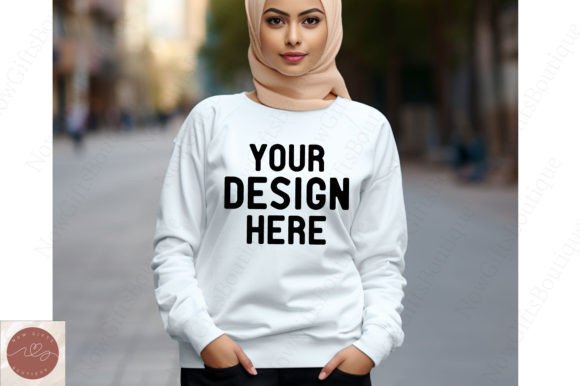
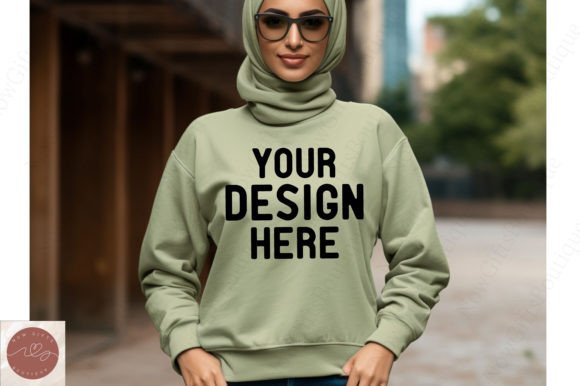
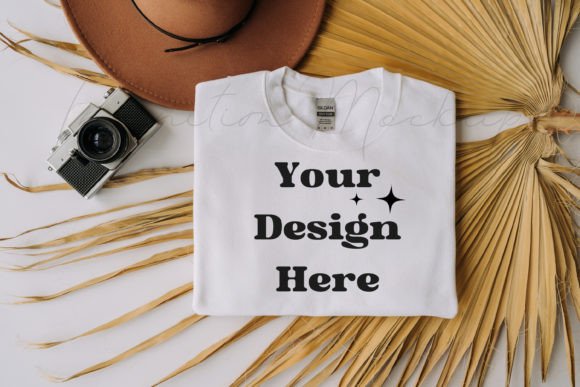
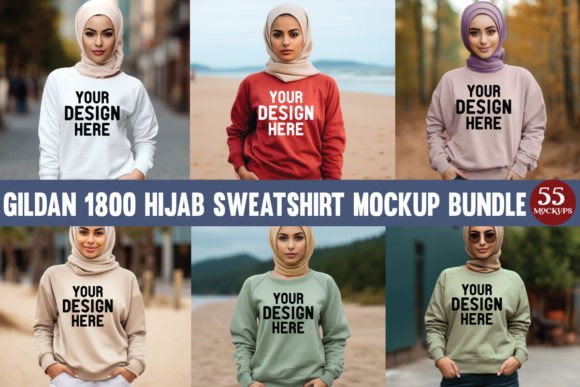
When I first opened this bundle, my immediate impression was one of professional utility. The mockups are designed specifically for the Gildan 1800 Heavy Blend Sweatshirt, a staple in the custom apparel industry. For those of us creating handmade products or running a small craft business, presenting a flat JPEG of a design rarely sells the dream. Clients need to see how their personalized gift or custom apparel will look in real life. This bundle bridges that gap with high-resolution, realistic textures that mimic the heavy cotton blend of the actual garment.
Visualizing the Final Stitch
The core value of this Graphics package lies in its ability to simulate depth and texture. When you are working on a complex embroidery project, such as a dense floral motif or a bold logo, the way light hits the satin stitch and fill stitch areas matters. These mockups allow you to place your digitized artwork onto a virtual sweatshirt that already has the wrinkles, folds, and fabric grain of a worn-in hoodie. This is crucial for Etsy sellers and boutique owners who need to convey quality through their online listings.
I recently used this bundle while preparing a launch for a new line of sweatshirt embroidery featuring minimalist geometric patterns. By placing my vector art onto the mockup, I could instantly see if the placement felt balanced on the chest or if it looked too small against the bulky fabric of the Gildan 1800. The result was a much more confident presentation to my client. They could visualize the finished product without me having to stitch out five different samples first. This saves time, thread, and stabilizer, which adds up quickly in a commercial setting.
Real-World Application for Designers
Let’s consider a practical scenario. You are designing a limited-edition run of hoodies for a local community group. You have finalized your digital embroidery file, but you need to create promotional materials for social media. Using the Gildan 1800 Hijab Sweatshirt Mockup Bund, you can showcase your design on a model wearing a hijab, which adds a layer of inclusivity and realism to your marketing. This specific angle helps potential buyers see how the garment fits and drapes, which is often a concern for customers looking for modest fashion options.
The bundle is versatile enough to handle various design styles. Whether you are creating a playful baby embroidery pattern, a rugged embroidered patch look, or elegant script for a wedding gift, the neutral tone of the mockup allows your thread colors to pop. It serves as an excellent canvas for testing contrast. For instance, if you are unsure whether white thread will stand out enough on a heather gray sweatshirt, you can simulate it digitally. While this does not replace a physical test stitch, it gives you a strong directional cue before you commit to production.
Navigating Fabric and Design Constraints
While these mockups are powerful, they require a thoughtful approach. The Gildan 1800 is a heavy, thick fabric. When reviewing your design on these mockups, pay close attention to stitch density. A design that looks crisp on screen might pucker or distort on the actual heavy blend material if it is too dense. Use the mockup to identify areas where your design might be too detailed for the fabric texture. If your applique design has tiny corners or intricate running stitch details, zoom in on the mockup. If it looks muddy there, it will likely look messy when stitched.
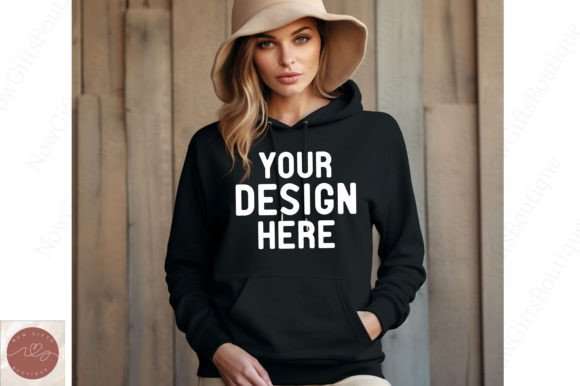
Additionally, consider the surface area. The hood and front pouch pocket of a sweatshirt create curved surfaces. A design that looks perfect on a flat plane might warp when applied to these areas. The mockup helps you visualize this distortion. For commercial embroidery projects, this insight is invaluable. It allows you to adjust the size or placement of your artwork to ensure it remains legible and aesthetically pleasing on the three-dimensional form of the hoodie.
Be cautious with dark fabric simulations. If you are using the mockup to preview a design on a black sweatshirt, remember that screen brightness can deceive you. Always check your design in a high-contrast mode. Ensure that your thread colors have enough variance to be distinct. A common mistake is choosing threads that are too similar in tone, which results in a loss of detail. The mockup can highlight this issue early, saving you from a costly re-stitch.
Enhancing Brand Consistency and Trust
In the world of online sales, trust is built through consistency. Using the same high-quality mockups across your shop creates a cohesive brand identity. When customers see that your printable mockup images look professional and realistic, they are more likely to trust the quality of the physical item they will receive. This is particularly important for small shop products competing in a saturated market like Hoodies Sweatshirts.
The Gildan 1800 Hijab Sweatshirt Mockup Bund also supports better communication with clients. Instead of describing where a logo will go, you can show them. This reduces revision rounds and ensures that everyone is on the same page regarding scale and placement. For design assets creators, including these mockups in your product listings can increase conversion rates. Buyers want to see what they are getting, and a realistic preview is far more compelling than a generic icon.
Practical Notes for the Embroidery Designer
Before you finalize your project using these mockups, keep a few technical checks in mind. First, always verify the license terms for the mockup bundle. While it is a tool for presentation, ensure you have the right to use the resulting images for commercial purposes if you are selling the custom apparel. Second, remember that a mockup is a simulation, not a proof. Always stitch out a test sample on scrap fabric of the same weight and type as your final garment. Check your stabilizer choice, as the heavy Gildan 1800 may require a cut-away stabilizer to prevent shifting.
Finally, use the mockup to experiment with lighting and angles. Sometimes, rotating the view or changing the background color in your editing software can reveal new aspects of your design. Does the holiday embroidery look festive enough? Does the tote bag design translate well to the sweatshirt format? These are questions the mockup can help you answer quickly and efficiently.
In conclusion, the Gildan 1800 Hijab Sweatshirt Mockup Bund is a practical, time-saving resource for any serious embroidery designer or Etsy seller. It elevates the presentation of your work, helps prevent design errors related to fabric and placement, and ultimately builds greater trust with your customers. By integrating this tool into your workflow, you move closer to delivering a polished, professional finished product that meets the high standards of today’s handmade market.